From climate-induced displacement research spanning six provinces to groundwater mapping of the Hari-Rud basin — Chashma-Sar delivers evidence that informs policy, funds humanitarian response, and reaches Afghan communities in their own language.
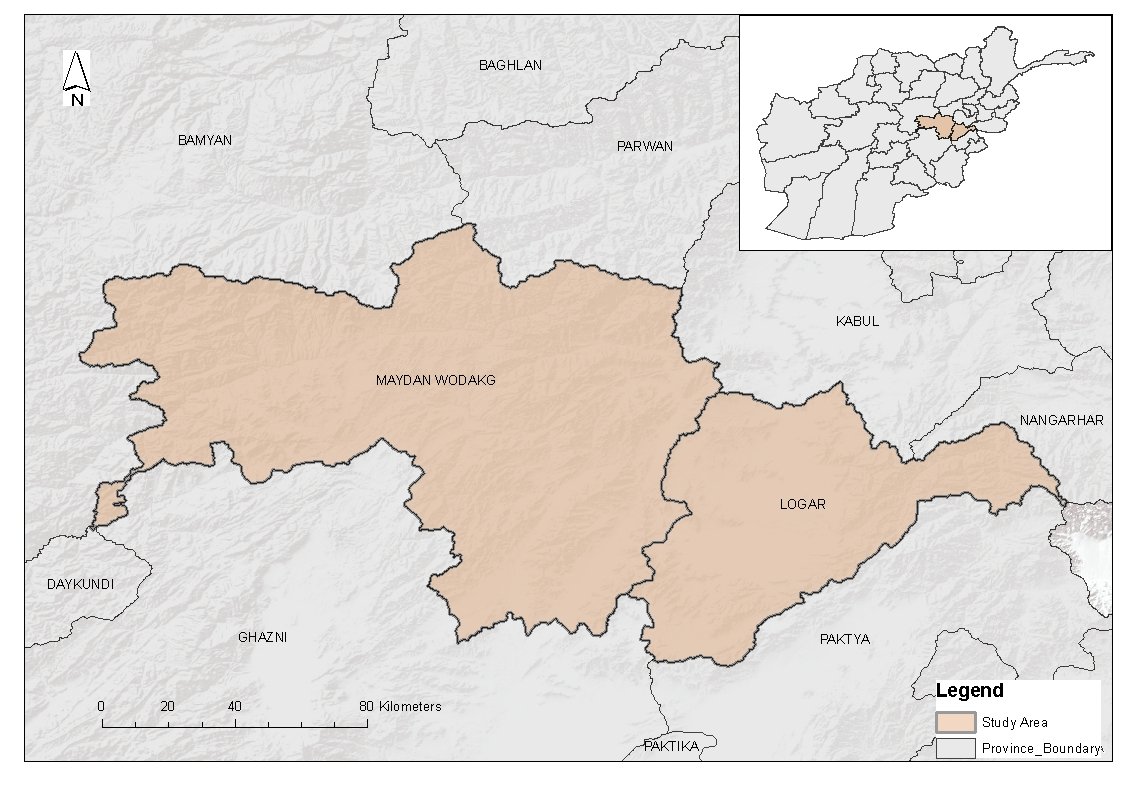
This research investigates climate change impacts on women and children in Logar and Wardak provinces, Afghanistan. The 3-month study (September 9 – December 10, 2025) addresses critical knowledge gaps concerning climate-induced vulnerabilities among Afghanistan's most at-risk populations within the current complex cultural and governance context.
This research investigating climate change impacts on women and children in Logar and Wardak provinces, Afghanistan. The 3-month study (September 9 – December 10, 2025) addresses critical knowledge gaps concerning climate-induced vulnerabilities among Afghanistan's most at-risk populations within the current complex cultural and governance context.
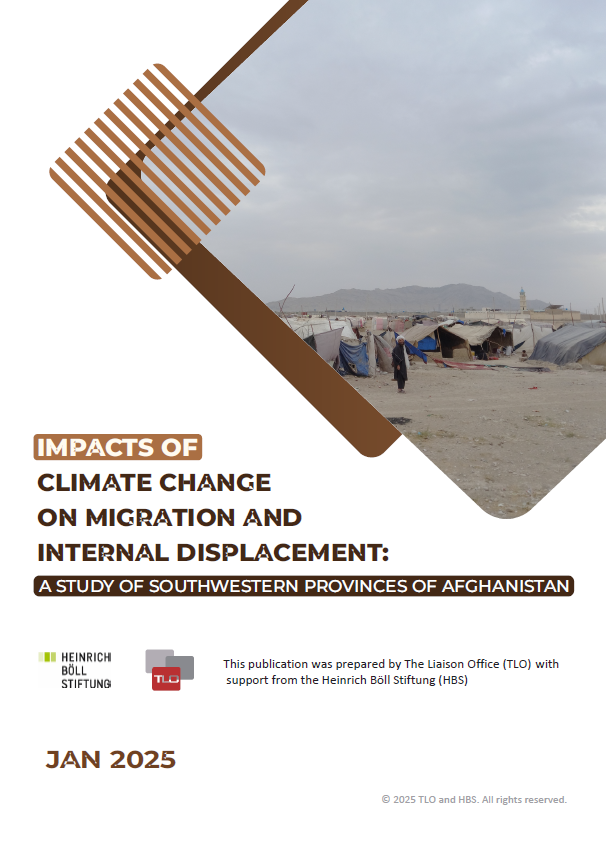
This comprehensive climate-induced displacement study spans six provinces in southwestern Afghanistan, incorporating 675 household surveys, 30 expert interviews, 6 focus group discussions, and extensive environmental analysis to examine climate-migration patterns. Funded by The Liaison Office (TLO) and published in ACS ES&T Water (Q1 journal, 2024).
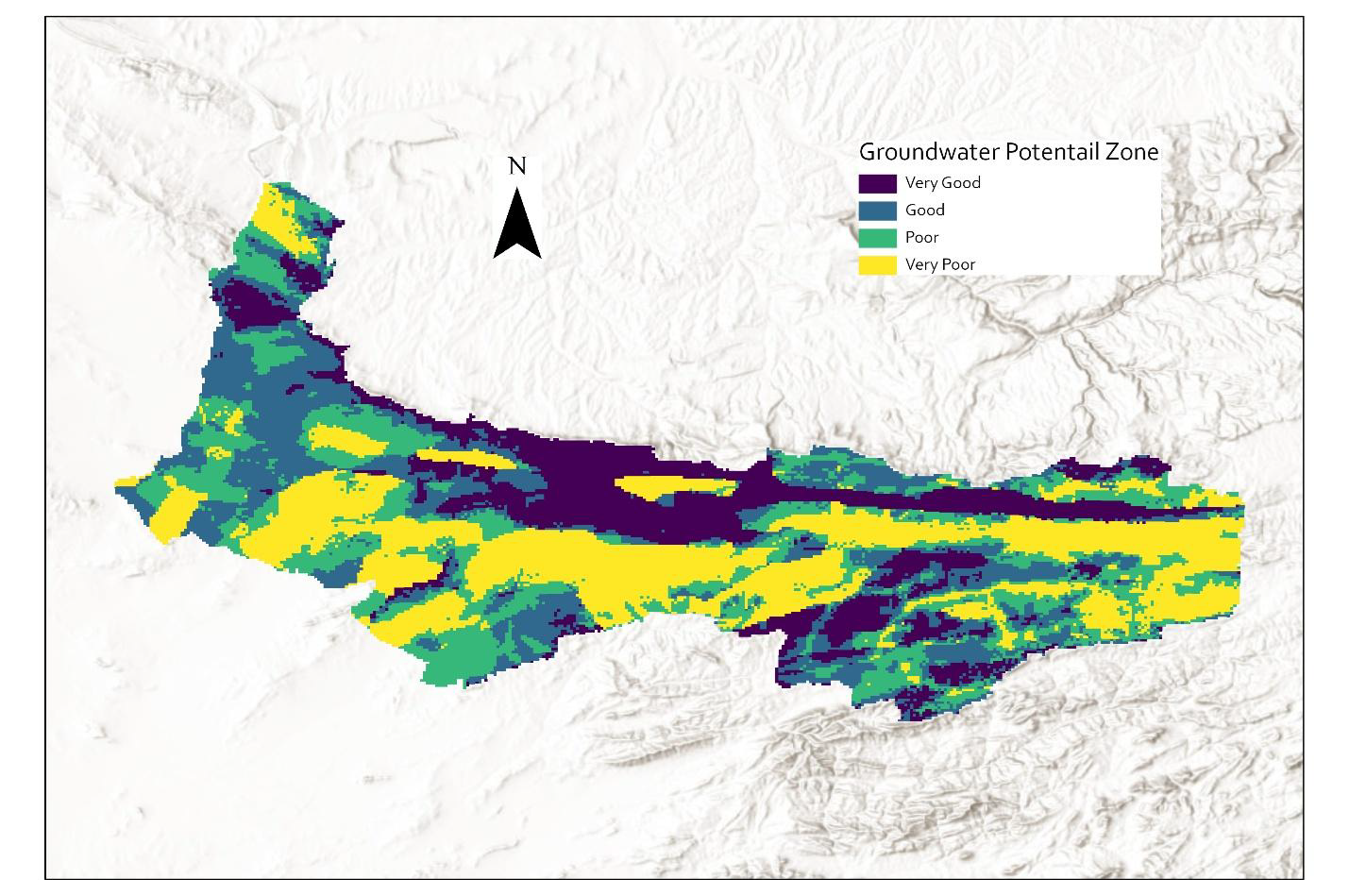
This technical report presents the methodology and results for identifying groundwater potential zones (GWPZ) in the Lower Hari-Rud River Basin, Afghanistan, using Geographic Information Systems (GIS) and the Analytic Hierarchy Process (AHP). The study integrates seven thematic parameters to generate a comprehensive groundwater potential map for sustainable water resource management in this arid region.
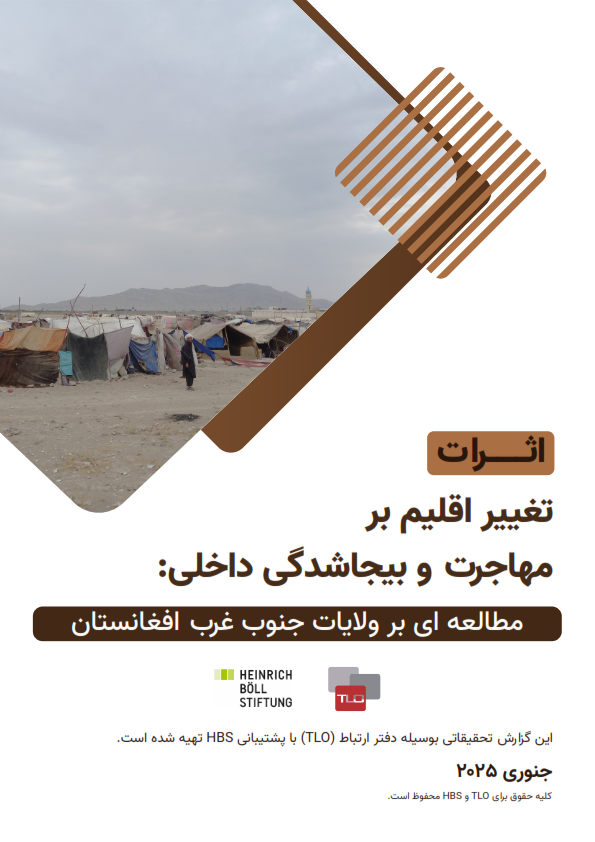
This research study demonstrates our commitment to accessibility and local engagement through comprehensive translation services. Originally published in English and funded by The Liaison Office (TLO), "Impacts of Climate Change on Migration and Internal Displacement" has been professionally translated into Farsi-Dari and submitted to the National Environmental Protection Agency (NEPA). This bilingual approach ensures critical findings reach Afghan policymakers, government agencies, and local communities in their native language, facilitating informed environmental policy and decision-making.
ArcGIS, QGIS, Google Earth Engine for spatial analysis and satellite data processing
Multi-criteria decision analysis integrating seven thematic parameters for groundwater mapping
675+ structured surveys using KoboToolbox with trained field enumerators across six provinces
30 semi-structured interviews with government officials, NGO staff, and community leaders
Gender-sensitive FGDs with women-led sessions in Dari and Pashto across study provinces
Systematic assessment of exposure, sensitivity, and adaptive capacity using AR6 methodology
This comprehensive climate-induced displacement study spans six provinces in southwestern Afghanistan, incorporating 675 household surveys, 30 expert interviews, 6 focus group discussions, and extensive environmental analysis to examine climate-migration patterns. Published in a Q1 peer-reviewed journal and funded by The Liaison Office (TLO).
Technical report presenting the methodology and results for identifying groundwater potential zones (GWPZ) in the Lower Hari-Rud River Basin, Afghanistan, using GIS and the Analytic Hierarchy Process (AHP). The study integrates seven thematic parameters to generate a comprehensive groundwater potential map for sustainable water resource management in this arid region.
Professional Farsi-Dari translation of the TLO-funded climate-migration research, submitted to Afghanistan's National Environmental Protection Agency (NEPA). This bilingual approach ensures critical findings reach Afghan policymakers, government agencies, and local communities in their native language, facilitating informed environmental policy and decision-making.
Whether you need field research, satellite analysis, or policy advisory — our team is ready to deliver evidence-based solutions tailored to Afghanistan's complex environment.